
Carolyn Hinton
The Photographer’s Perspective
Camera Equipment
Carolyn Hinton
Florida Aviation Network
July 2026
The most common photography questions people always seem to be asking are about what gear to use. So, in this blog post I’ll address just that and share a bit about what I bring out to airshows and other events.
There is a great deal of choices out there, when it comes to camera gear. It can easily feel overwhelming when you’re trying to figure out what you should invest in. The best way to think of it is to realize that all cameras (and lenses) are just tools. Tools that record and manipulate light. And for every task, there is a tool. As of right now, the Summer of 2026, this is what goes on in my camera/tool bag.
Camera Bodies
For heavy lifting, currently I am in the Nikon ecosystem, I started small, and over time have upgraded one piece at a time. Moving from APS-C and DSLR systems, into full-frame mirrorless ones. My two main camera bodies are the Nikon Z8 and the Nikon Z6.3.
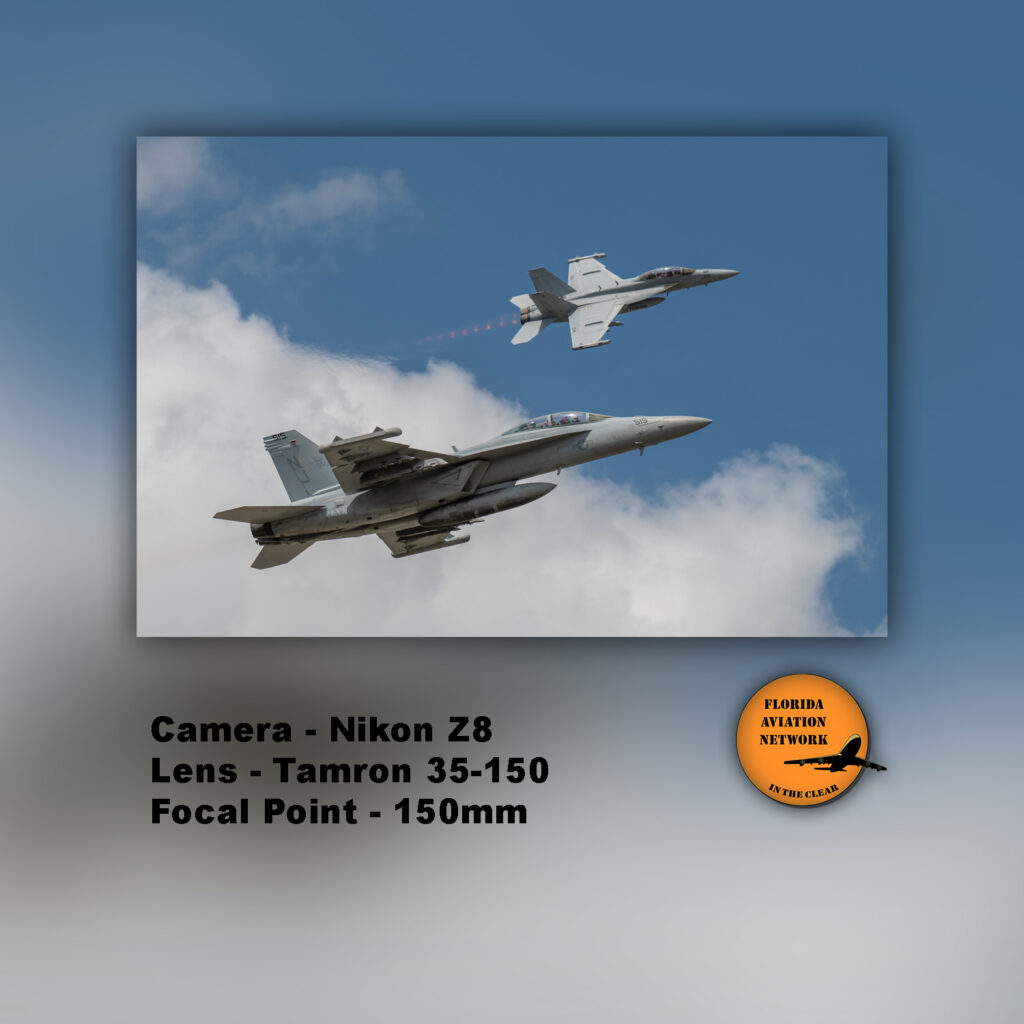
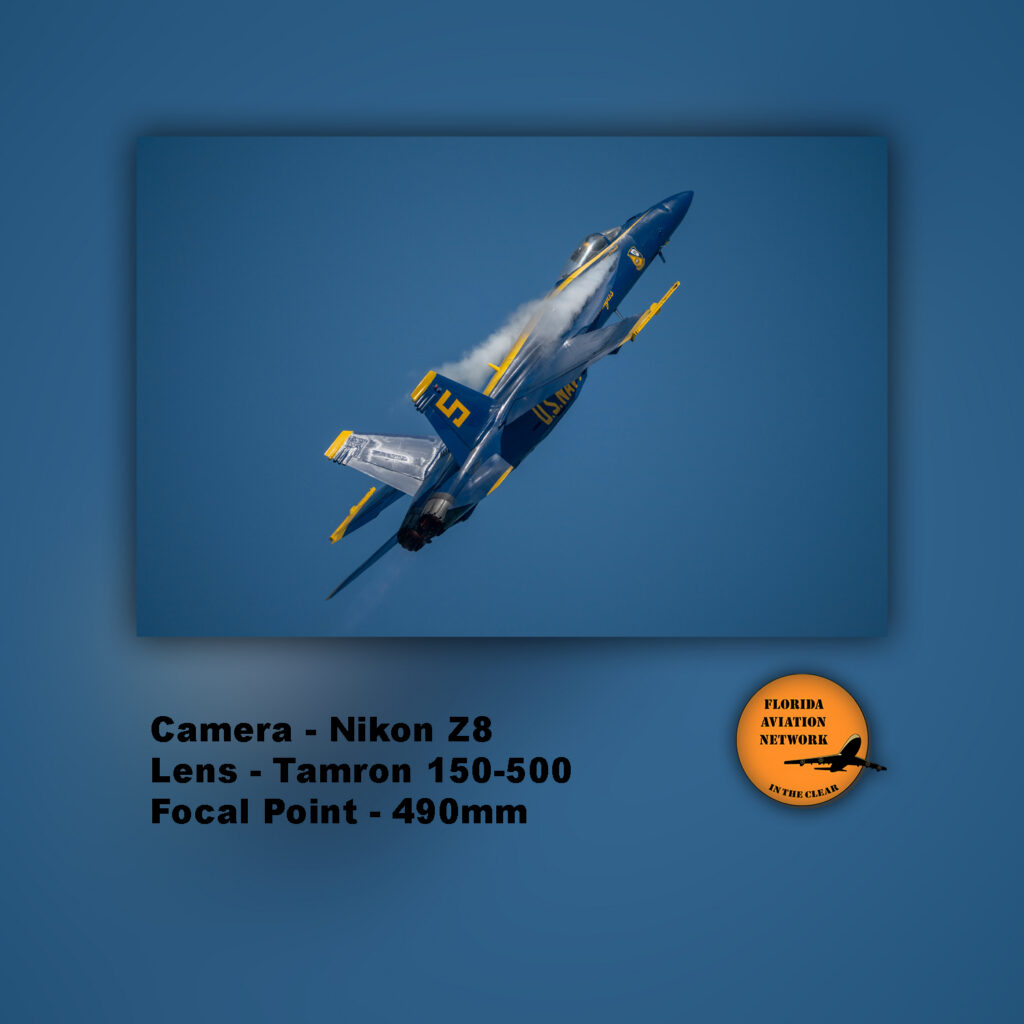
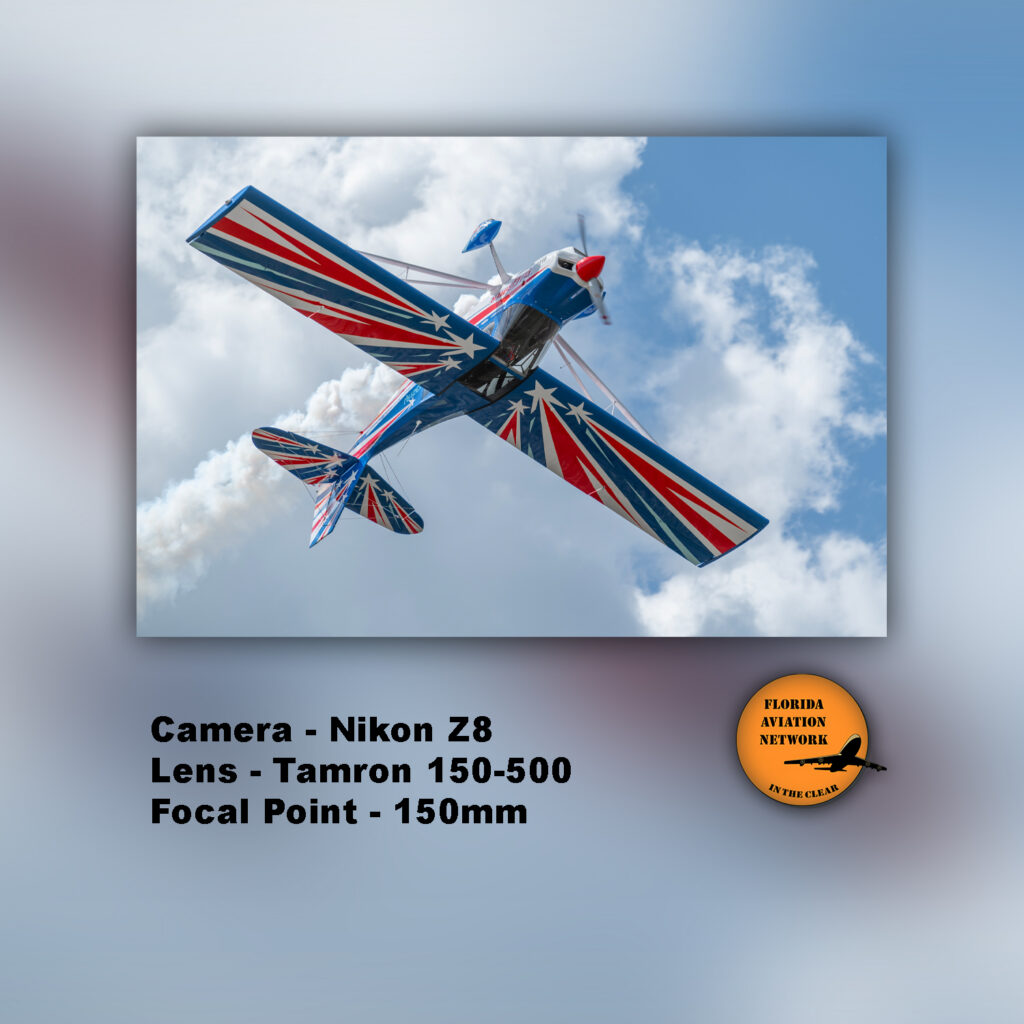
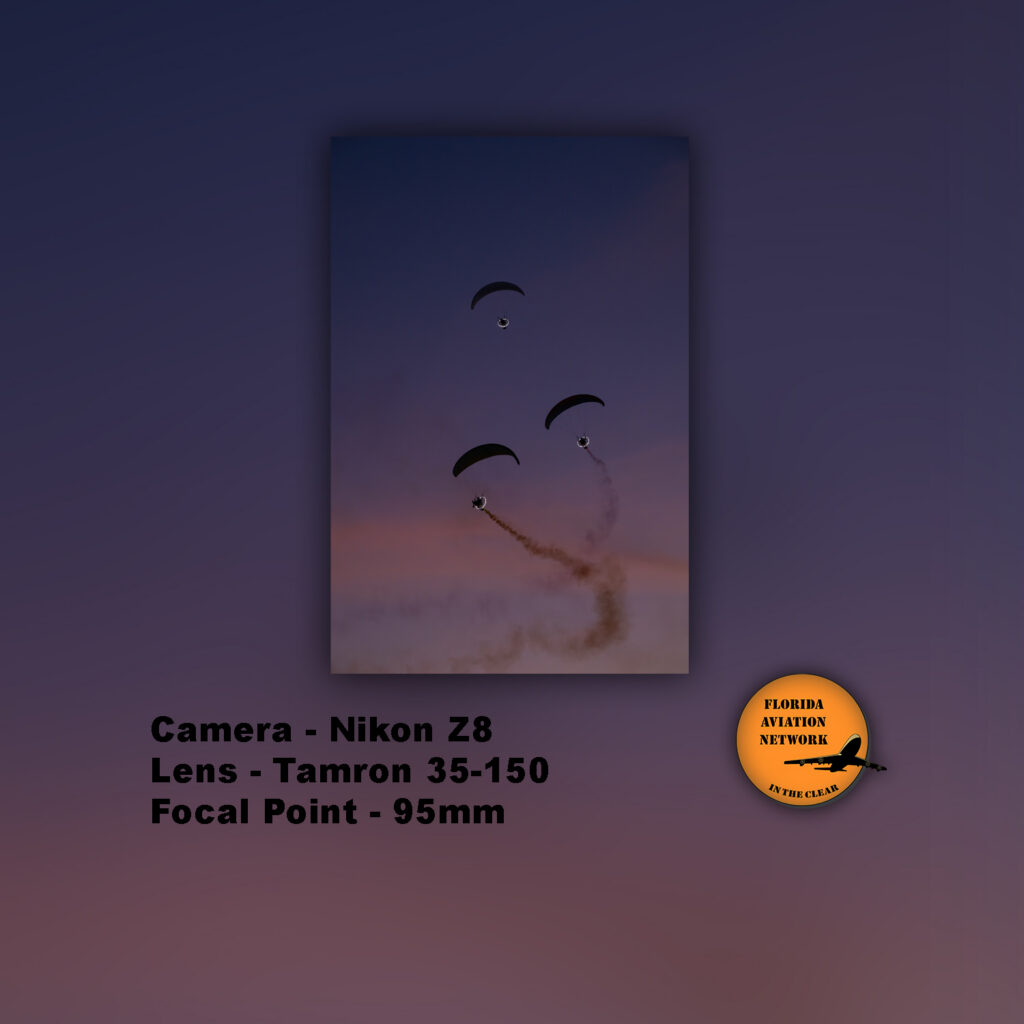
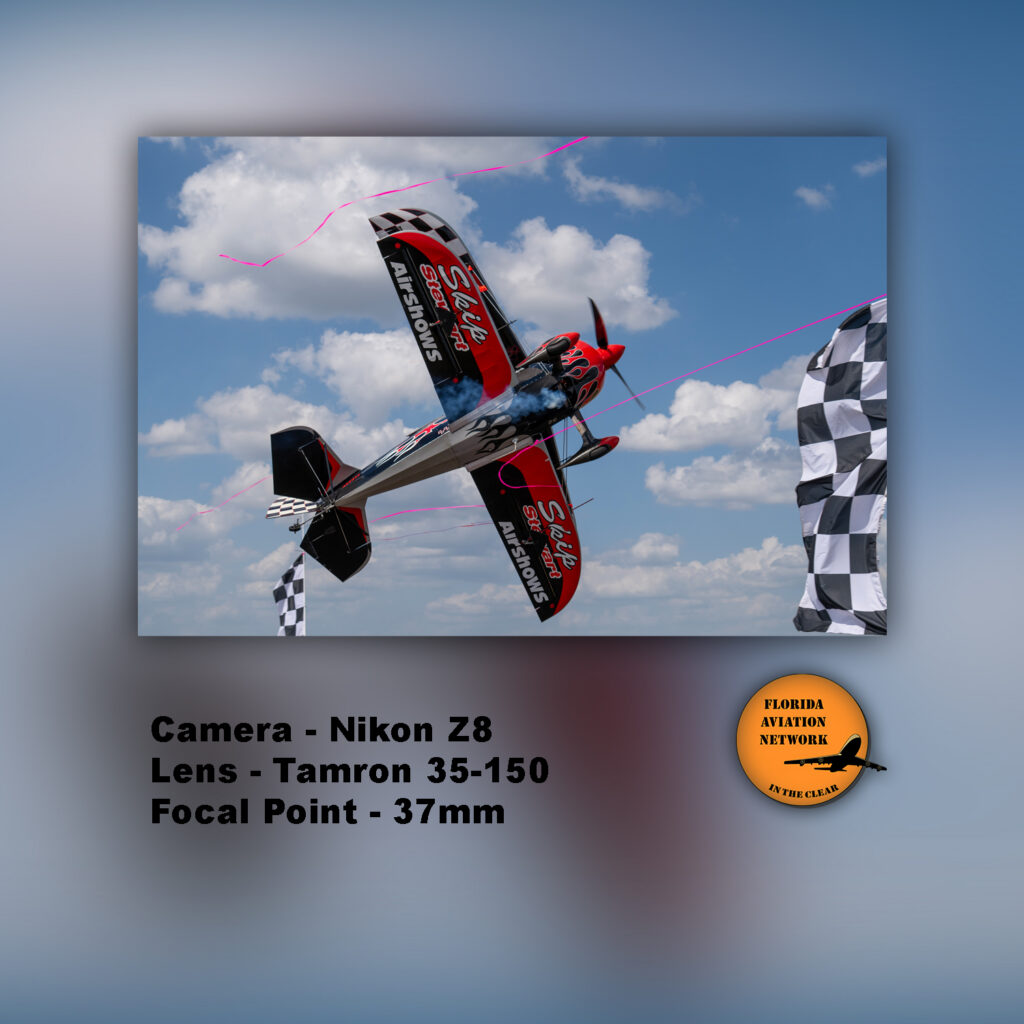
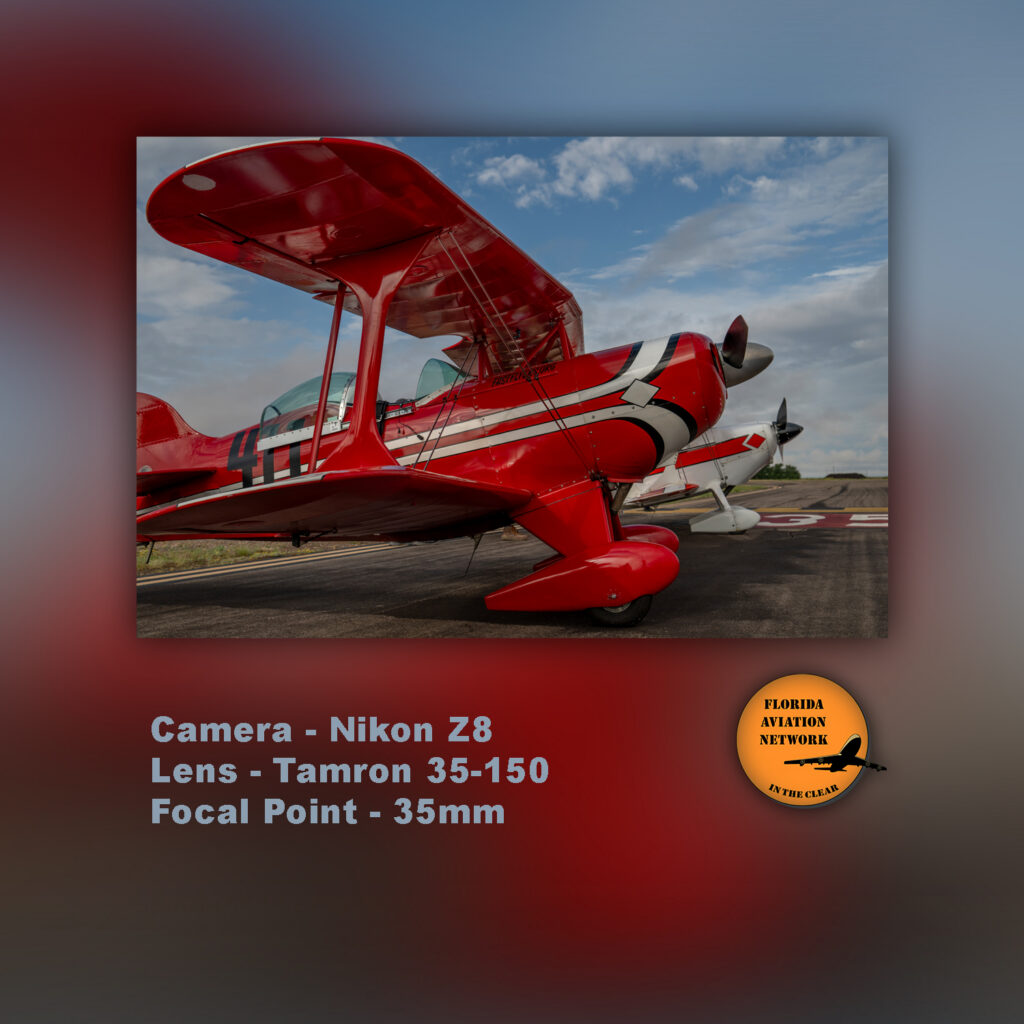
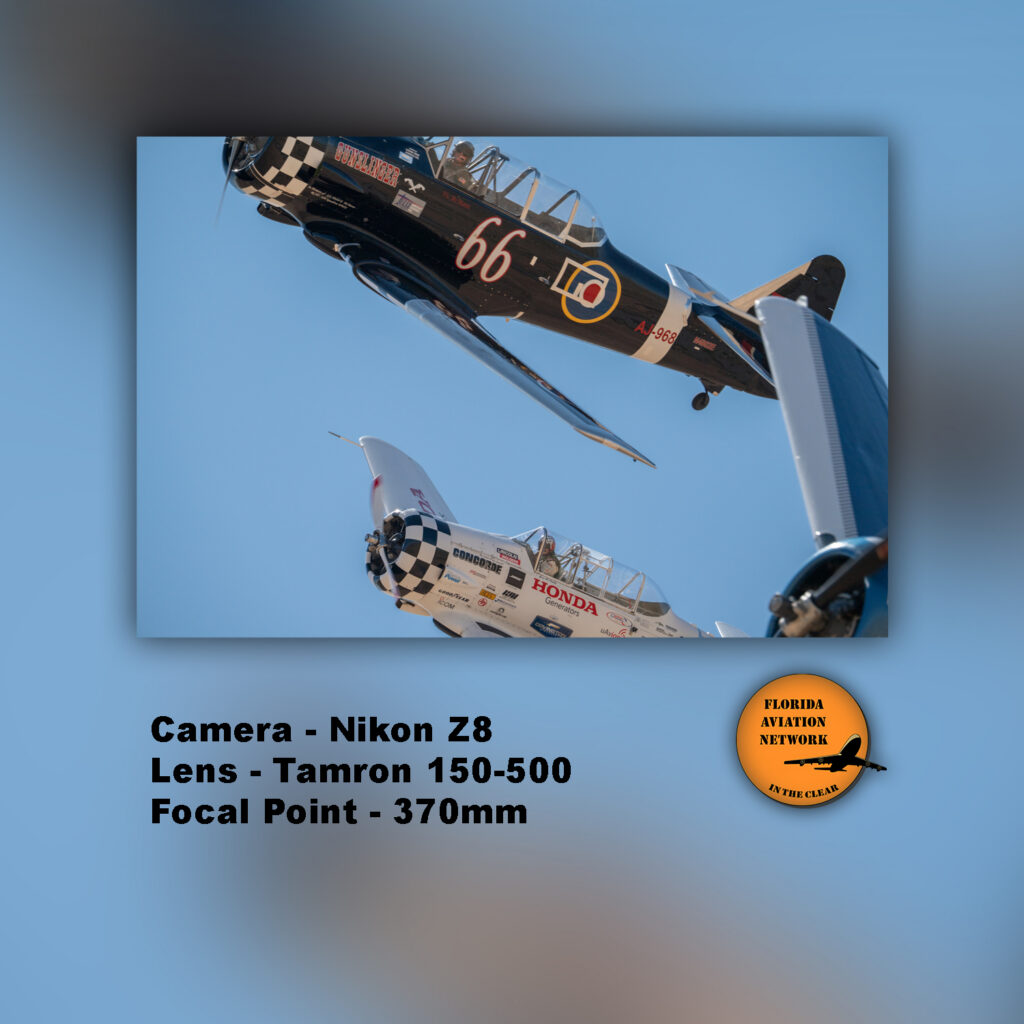
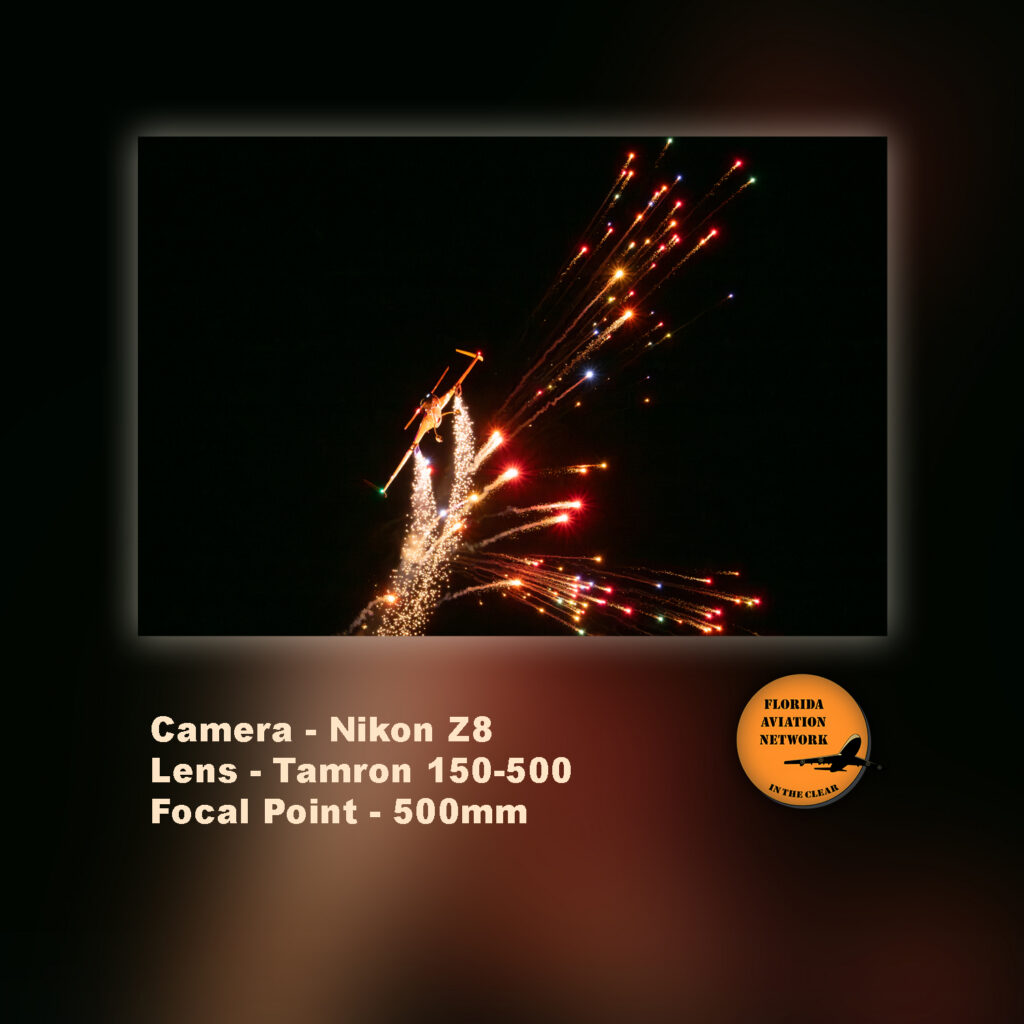
Nikon Z8 – The Z8 was made to be a workhorse. It has a ridiculously fast burst rate at 20 frames per second, when shooting in RAW format, which makes capturing precise details of fast-moving action much easier to achieve. The large 45-megapixel sensor means cropping in on an image when necessary is not a big deal. Plus, Nikon continues to update firmware, adding new features and improving the current ones. The Z8 has been my main camera for a few years now.
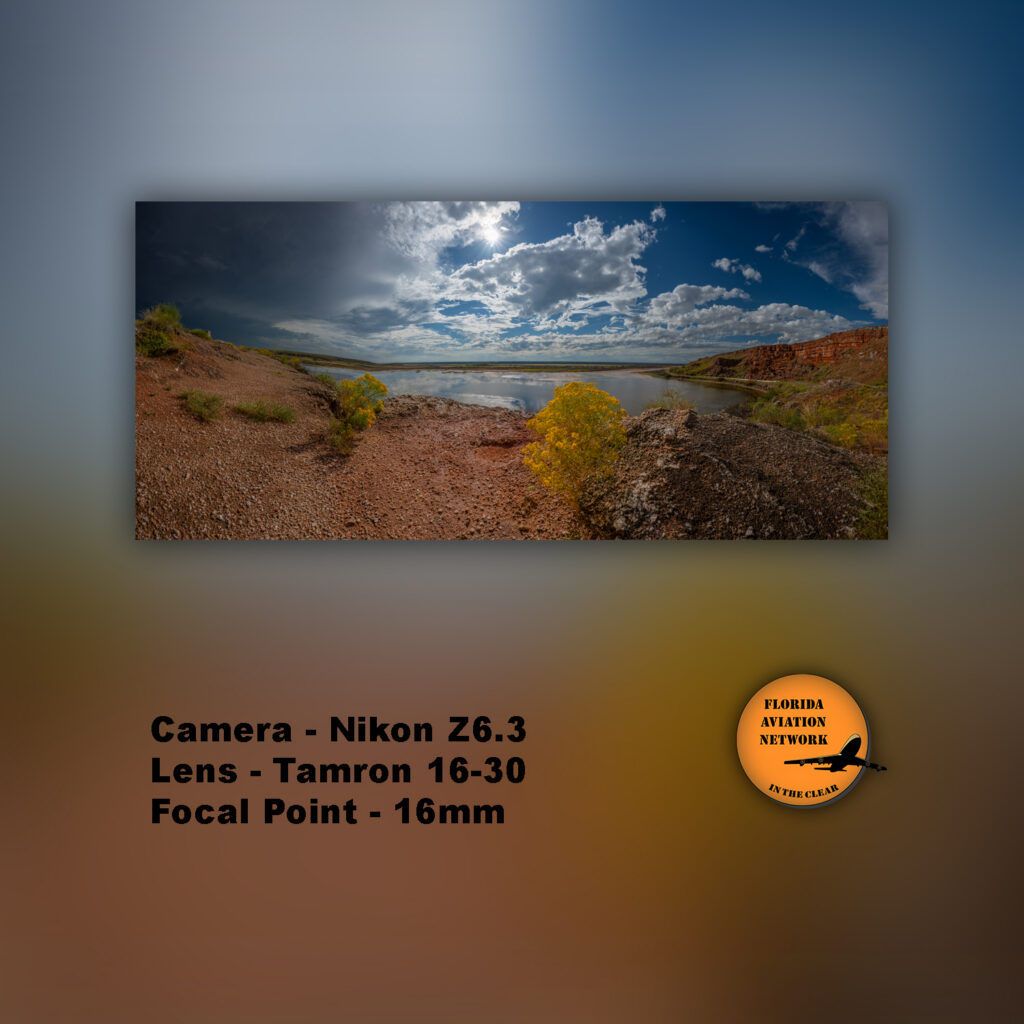
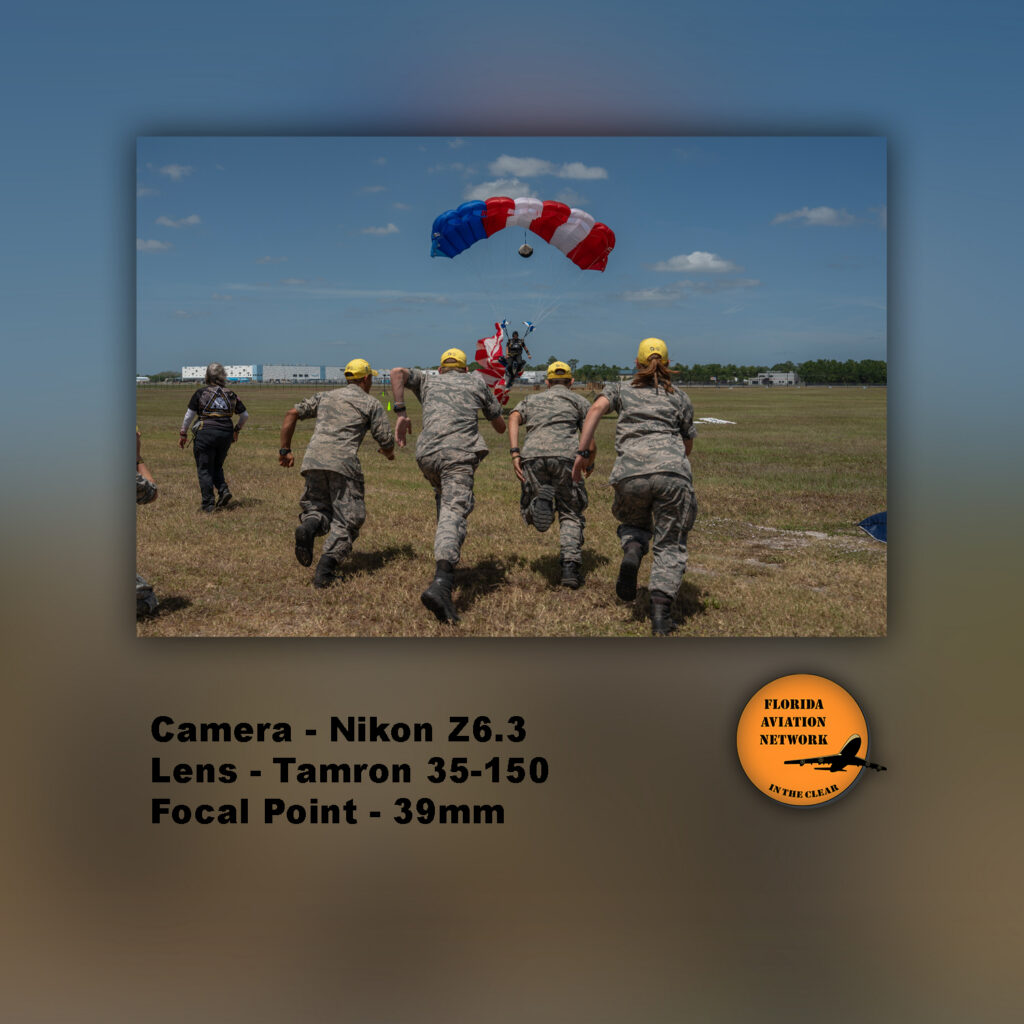
Nikon Z6.3 – A smaller camera than the Z8, with a smaller price tag, but still a powerhouse. It’s helpful to have a second body, I often put a wider lens on it so as to easily switch focal ranges without removing the lens in the field. I also use this one a lot for video and awkward angels due to the fully rotating back LCD screen.
Lenses
As far as lenses are concerned, the choices are plentiful with leading brand names like Nikon, Canon, Tamron, Sony, and Sigma. And the selection pool is made even greater with the addition of brands like Viltrox, Laowa, TT Artisans, etc.
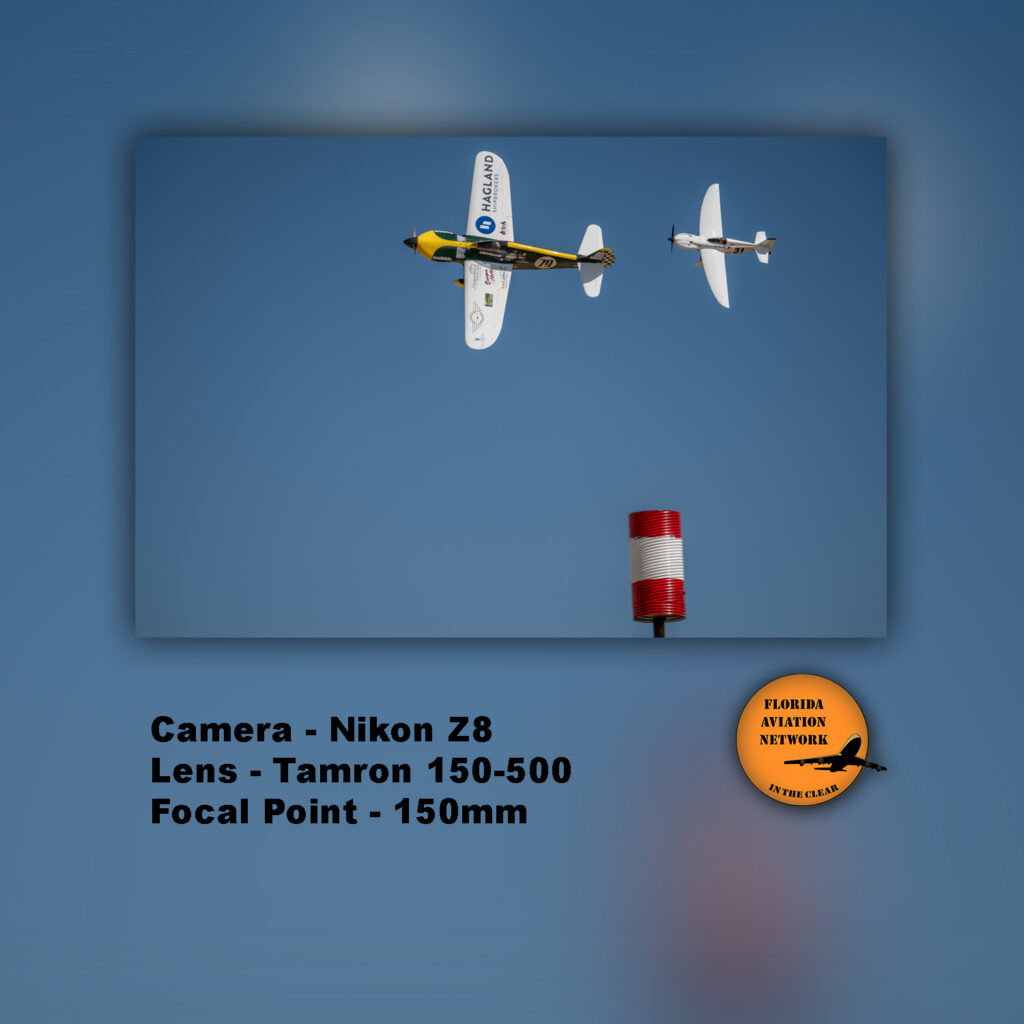
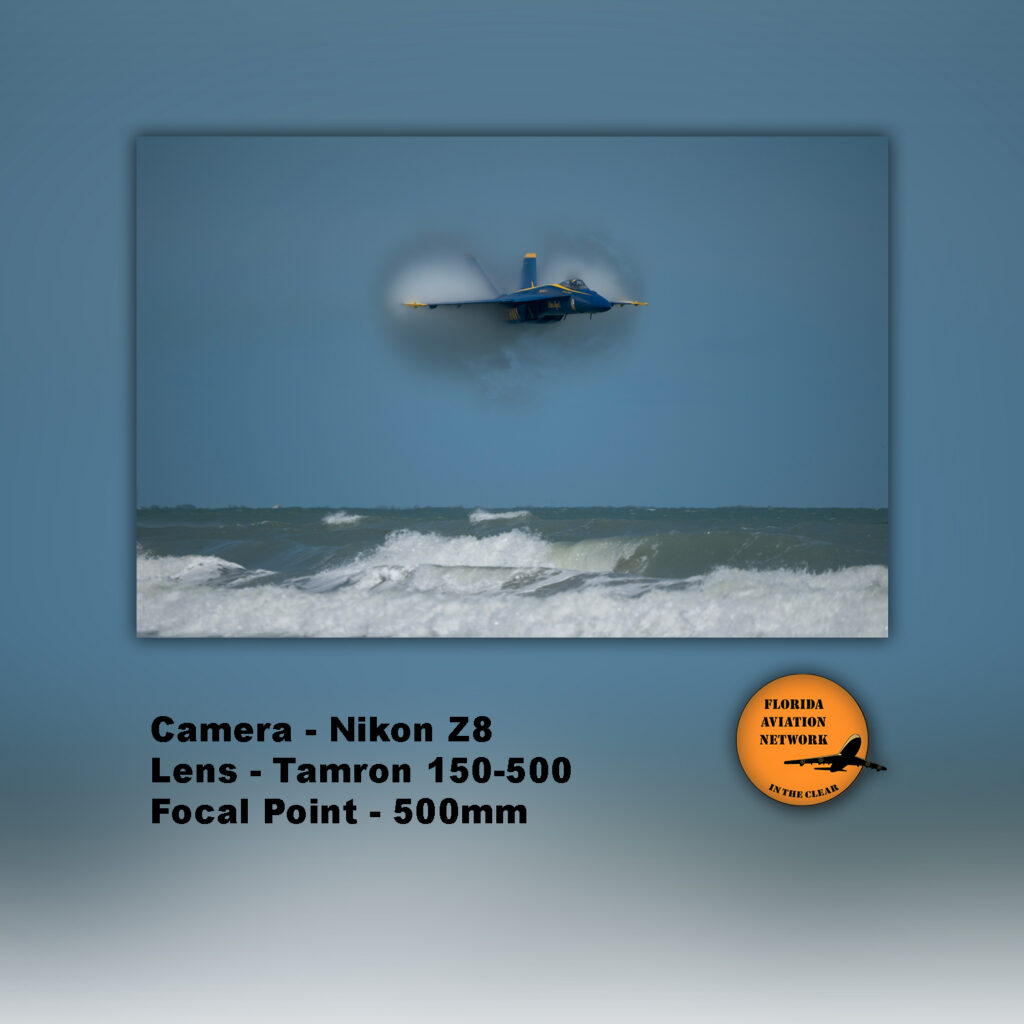
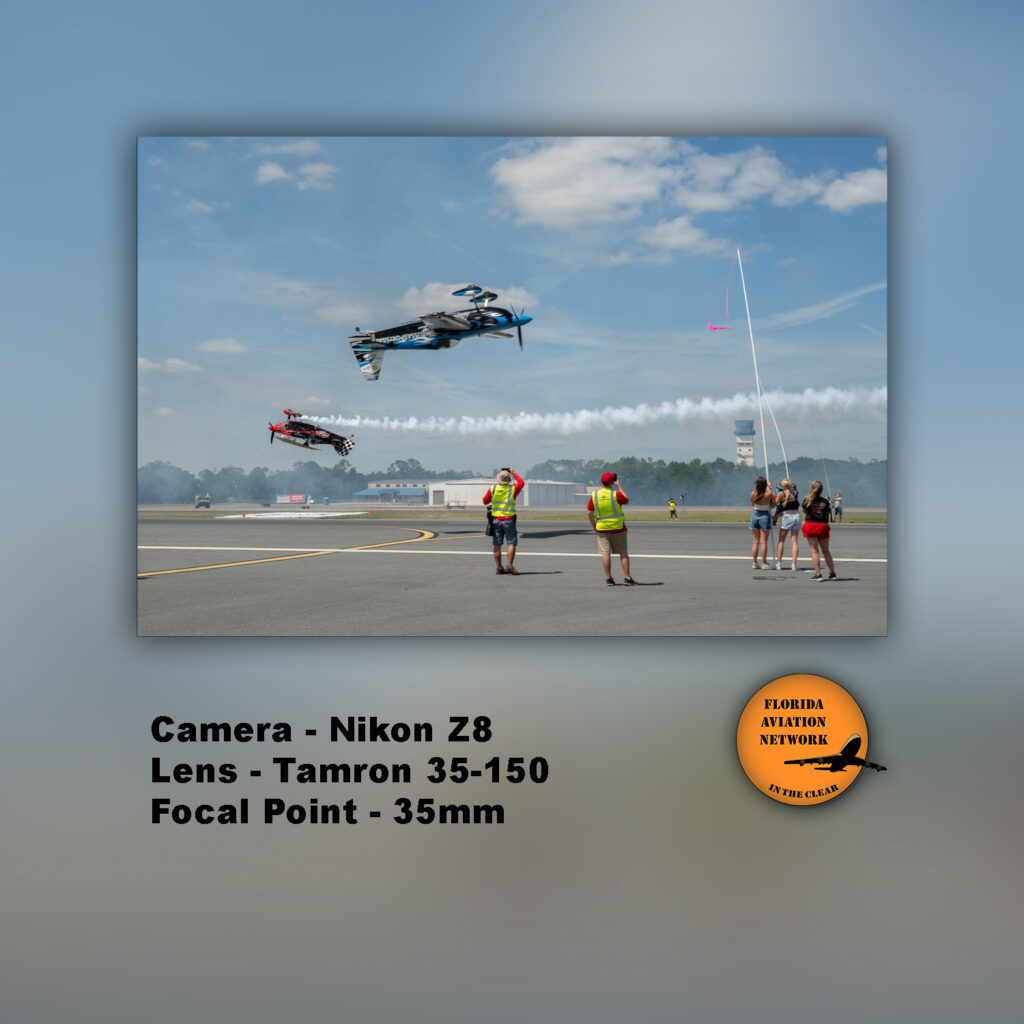
Right now, there are two lenses that I absolutely cannot live without, both of which are made by Tamron, the 150-500, and the 35-150.
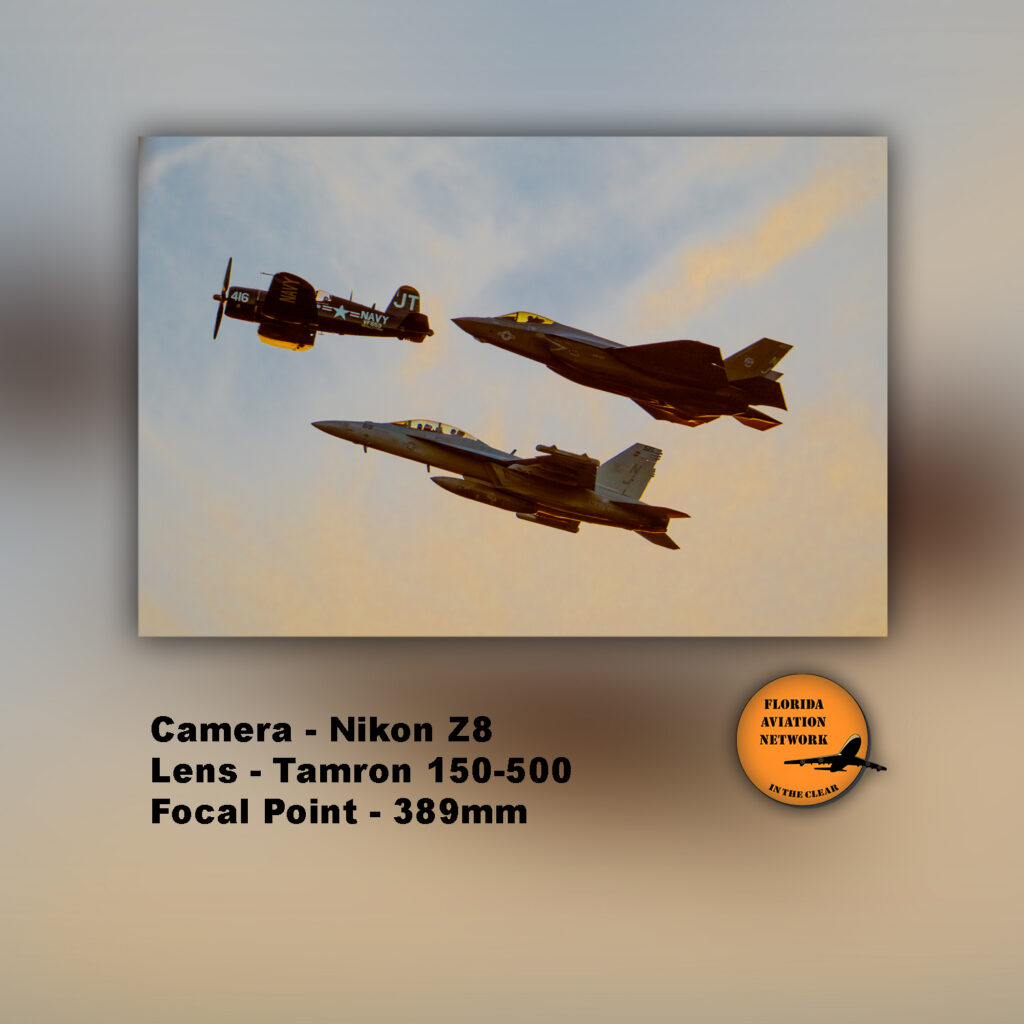
150-500 – this one offers very good reach while also being much smaller and lighter than many of the other super zoom options. We don’t always think of things like that, but because the lens is easier to manage (at least for me at 5’2”) I end up with far more usable images.
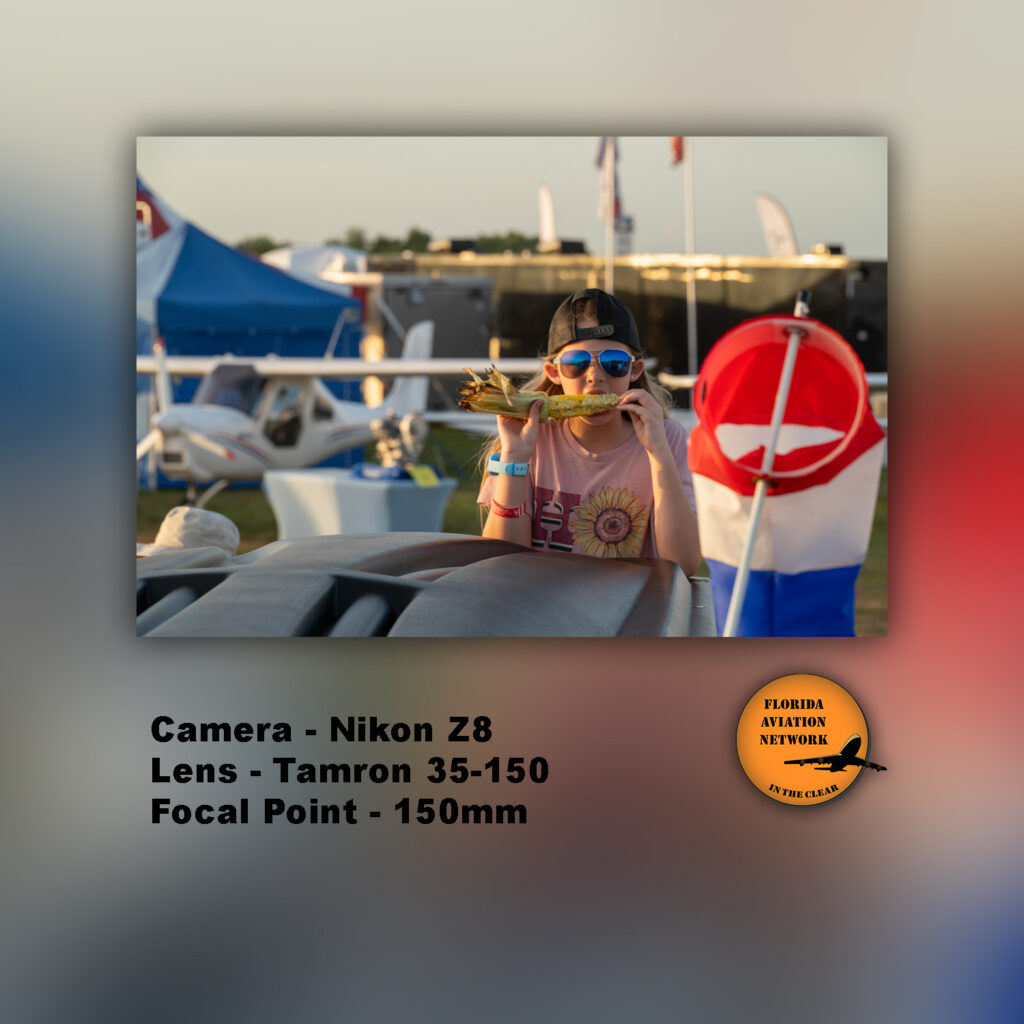
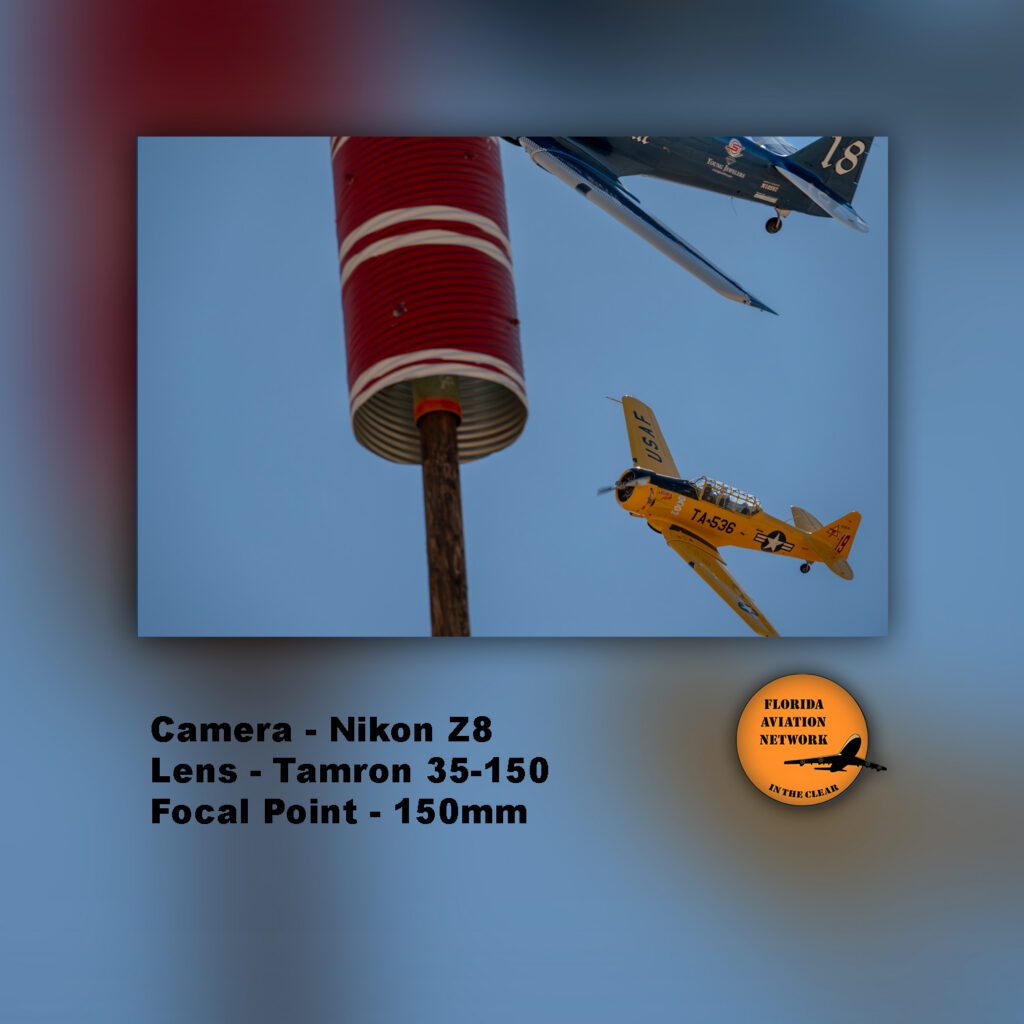
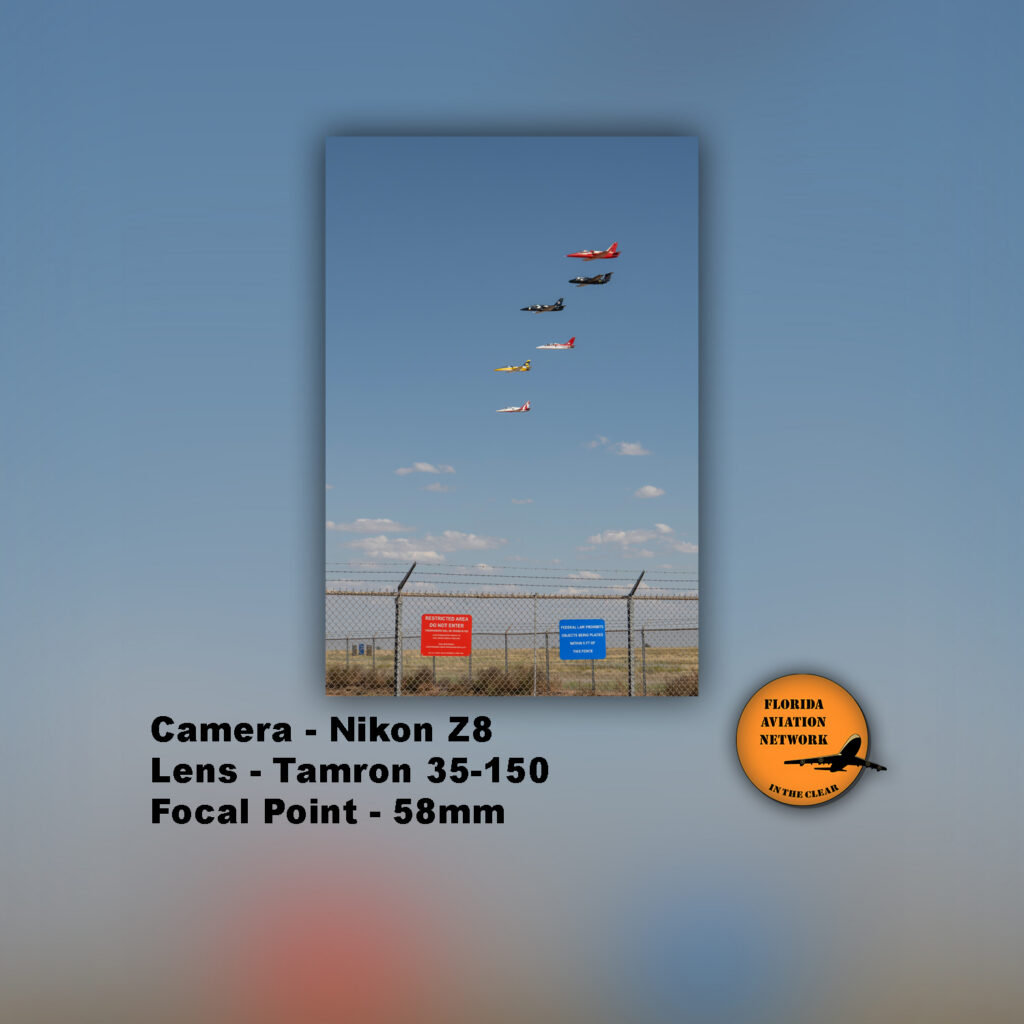
35-150 – this lens is crazy sharp, in fact when Tamron first sent it to me to try I was using it with my Z6 and had never realized my camera could get images that sharp. I love it because I can literally use this lens for anything!
Action Cameras
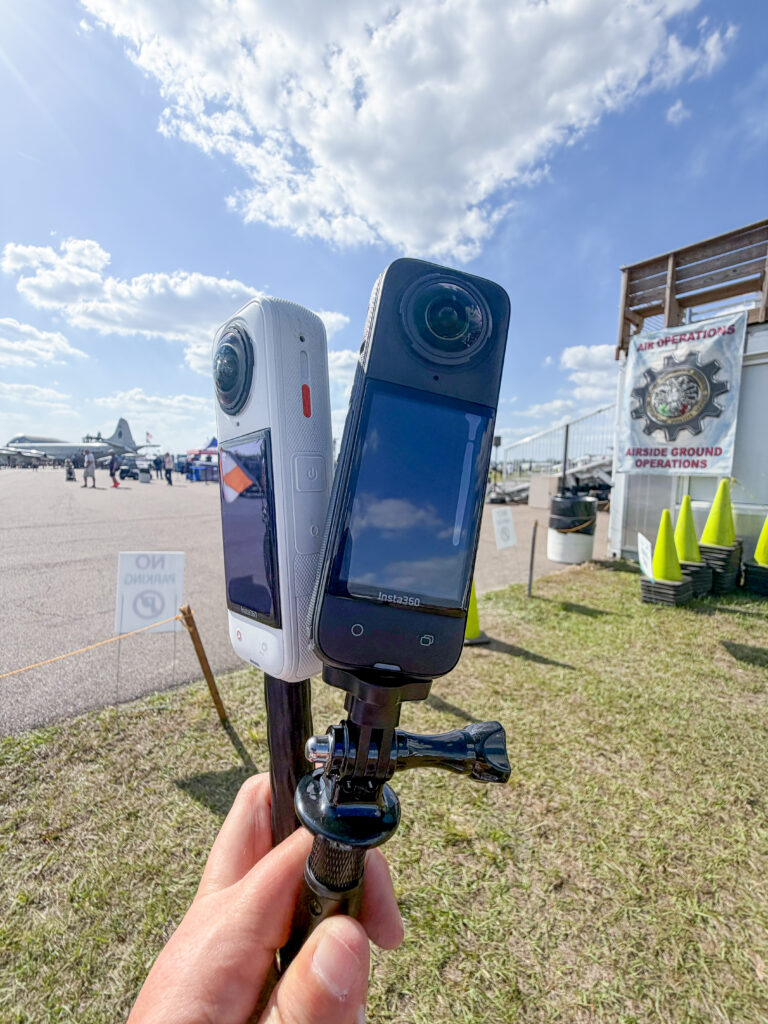
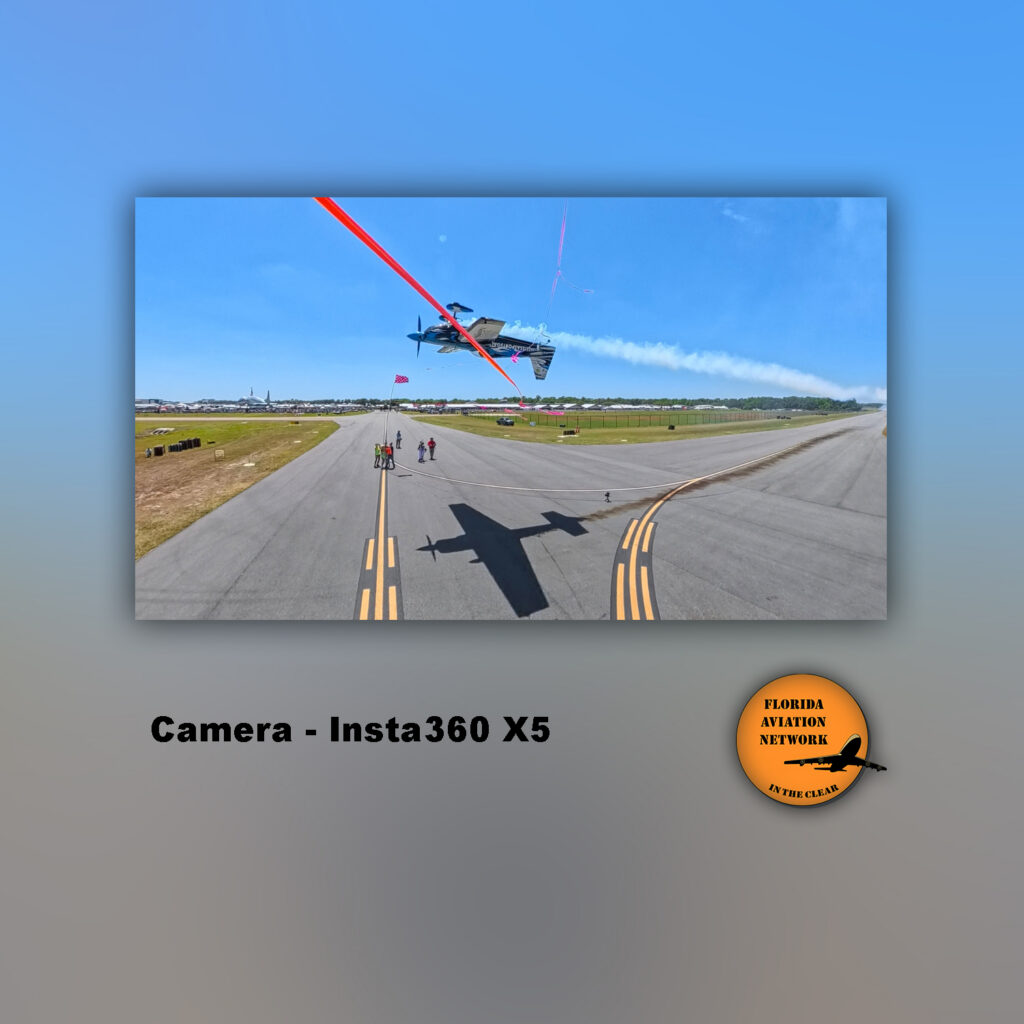
While not suitable for everything, small action cameras are a great way to add a different perspective to your work. By keeping them in my tool bag, I’ve been able to capture new moments and unique viewpoints that I never could have before. 360 cameras offer the most versatility, by shooting in 360 degrees, it’s easy to create a vertical format of something that can go out quickly on social media, then later when I have more time, create better resolution videos in different formats. They are not without their challenges, but with a little practice and forward thinking, these challenges can easily be overcome. An added benefit with these, is that with a bit of planning they can be set up very quickly, while also allowing me to shoot with my main cameras at the same time.
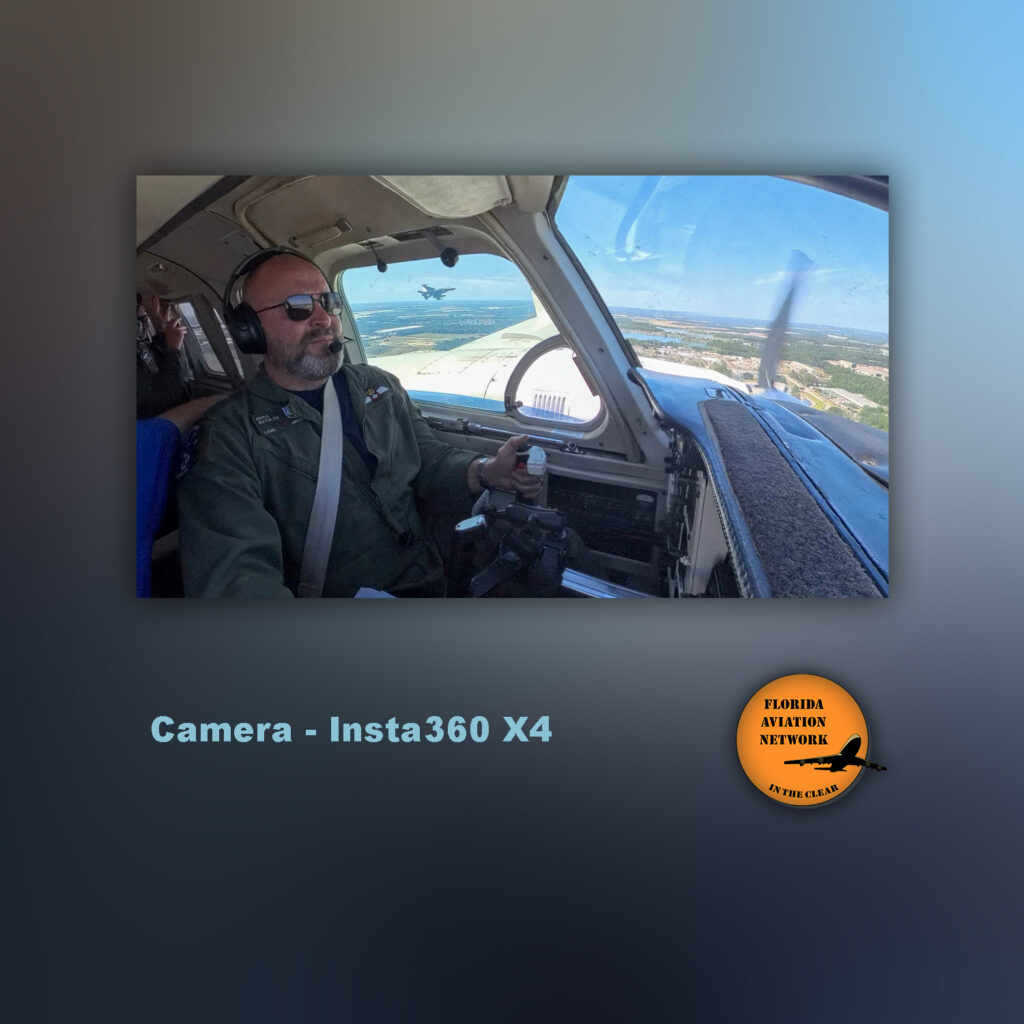
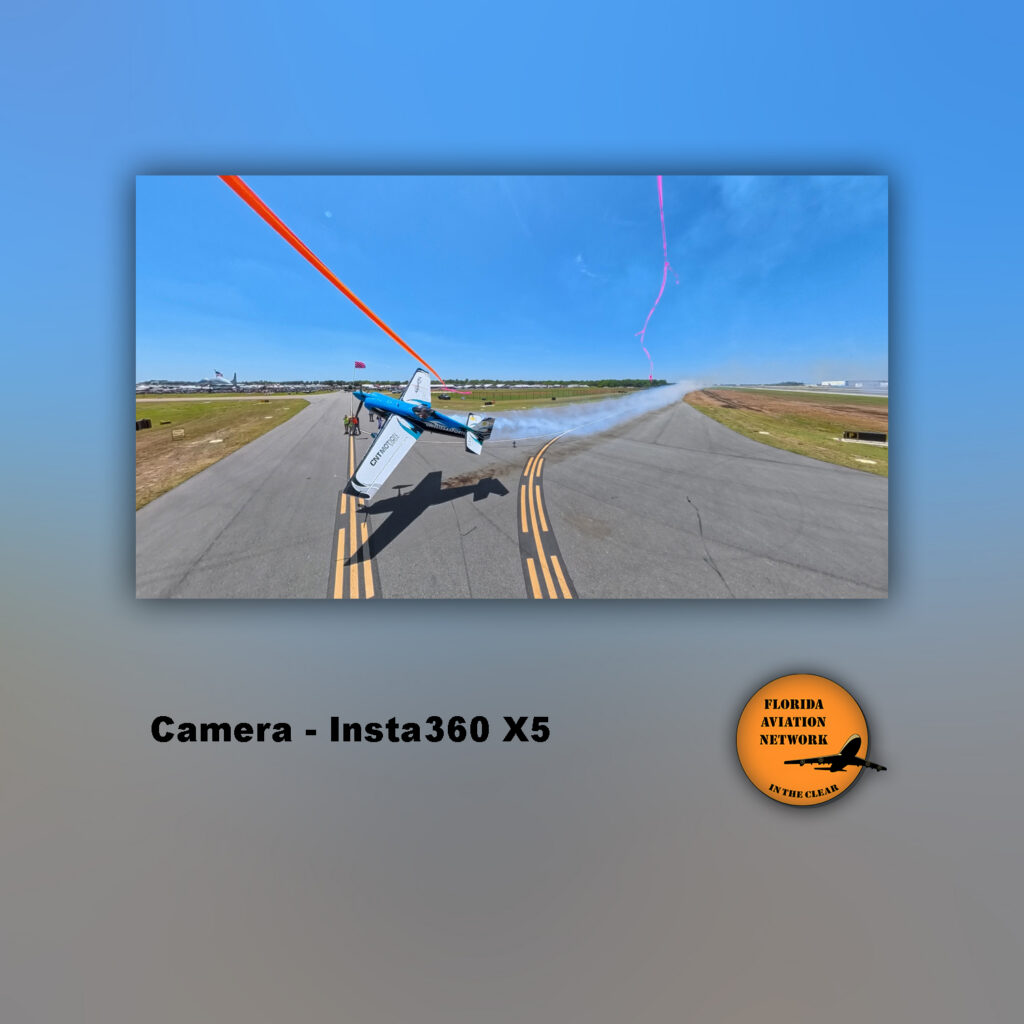
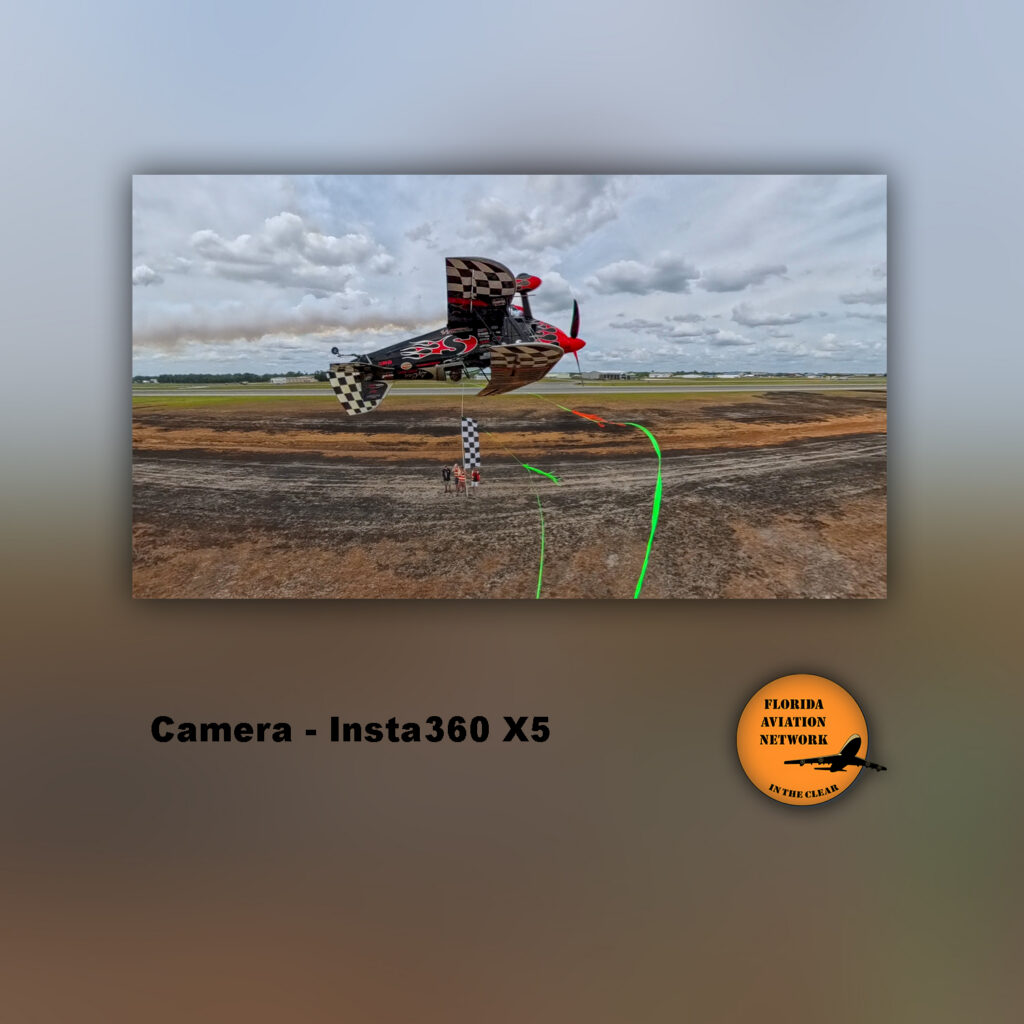
Insta360 X4 – this was my first 360 camera. It’s great, but it tends to overheat (this also largely due to the conditions I use the camera in). But the image quality is great, enabling me to pull still frames from video without issues. Which comes in handy more often than expected. Insta360 X5 – after getting comfortable processing 360 footage, I picked up the X5. This time it was a white body, which should hopefully help with the heat issues. And on this model, the lenses are easily replaceable so that when I scratch them (which will no doubt happen), there is no need to send it out for repairs.
Interview Gear
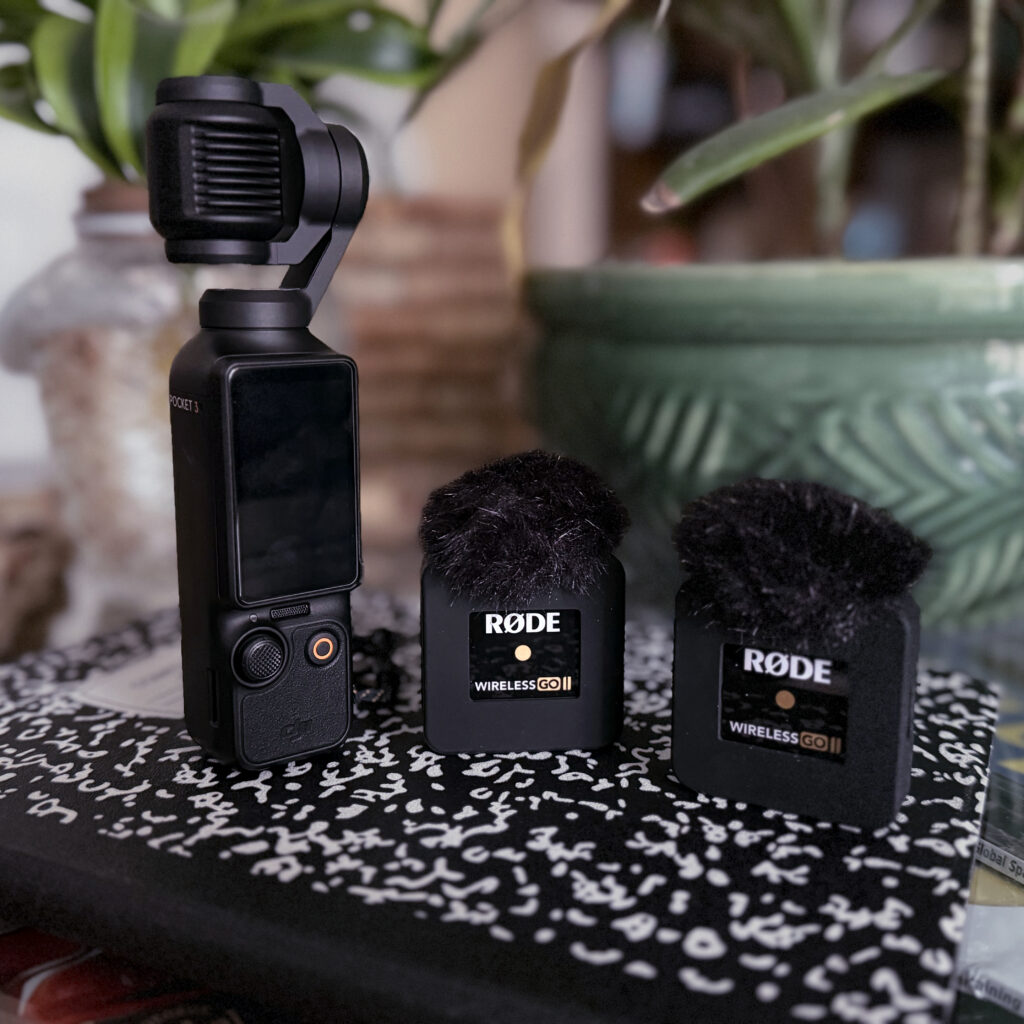
DJI Osmo Pocket 3 – While the video capabilities on my Nikons are without question amazing, it’s not always practical to carry around a full size tripod or a gimbal. Due to its tiny size and steady gimbal, the Osmo is very helpful for interviews and quick b-roll shots in the field.
RODE Wireless Go 2 – No one wants to haul around extra gear. But when I need good sound, I can’t rely on just the cameras themselves. Fortunately, small wireless microphone systems are a great solution. At 1¾“ square (without the wind puff), the RODE Wireless Go is portable and easy to throw in a random camera bag pocket.
These are what make up my main toolkit, but there are other tools that come out with me depending upon the situations. If anyone is interested in these, please reach out and let us know what you are curious about.
For those of you starting out, know that you don’t need the most expensive, latest model, largest sensor, or fanciest equipment. Many of the most talented and experienced photographers I know are still using cameras and lenses that are well out of production. The best thing you can do, is get something you can afford, then learn how to use it. As your skills increase, and you begin to figure out what you want to do, you naturally begin to search for the tools that help you with your specific needs. Don’t be afraid to look in the pre-owned market or wait for Black Friday deals.
Good photography takes practice, so go outside, take pictures and ask questions. Many photographers are willing to share their experience and knowledge. Remember, a camera is only a tool. But like anything, the more you use it, the better you will get.